
construction of a factory in Oman


construction of a factory in Oman presents a unique opportunity for investors, offering numerous benefits. Oman is actively working towards developing various industries and strengthening its industrial infrastructure as part of its efforts to diversify its economy and reduce reliance on oil. This makes it especially attractive for those considering the construction of a factory in Oman .
Moreover, the country is creating special incentives to attract foreign investors, such as financial support and industrial land at competitive prices. The construction of a factory in Oman allows businesses to easily access both regional and global markets. With its strategic geographical location, Oman serves as a gateway to the Gulf Cooperation Council (GCC) countries and other global markets.
This advantageous location provides a competitive edge for industrialists and helps elevate production processes to a higher level. Additionally, the government of Oman is focused on accelerating the factory setup process and attracting more capital by offering special facilities to foreign investors. Ultimately, the construction of a factory in Oman can also provide benefits such as residency and work visas, making it an appealing destination for investment. With thorough planning and evaluation of available opportunities, investing in Oman has the potential to deliver high added value.
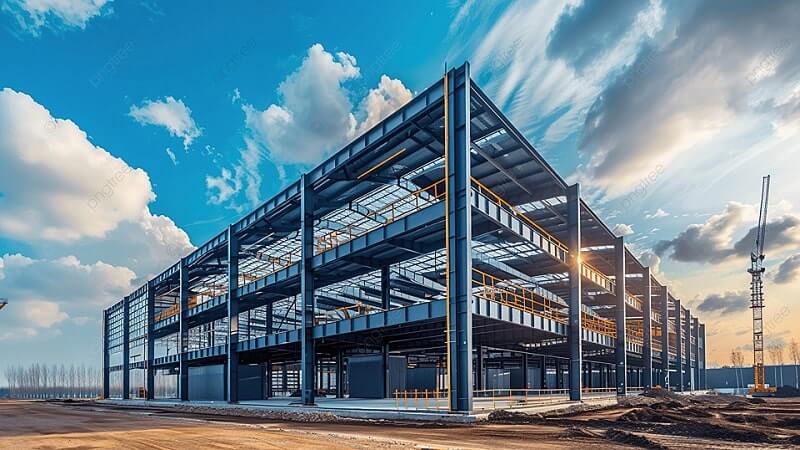
Why is Oman a good destination for building a factory?
With its strategic location in the Persian Gulf, Oman is considered one of the best destinations for the construction of a factory in the region. The country offers numerous business opportunities for investors with easy access to international markets, especially in Asia, Europe, and Africa. In addition to its excellent geographical location, Oman benefits from economic and political stability, which is a key factor attracting foreign investors.
Transparent laws and simple business regulations are additional advantages of Oman for the construction of a factory. The government offers tax exemptions for foreign investors and legal guarantees to protect their rights. This has made Oman a highly attractive destination for international companies and entrepreneurs.
Oman is also an excellent choice for manufacturing and distributing goods due to its advanced infrastructure and access to international ports and airports. Favorable labor conditions and support for industrial and manufacturing projects have made this country a preferred location for the construction of a factory in Oman . The Labor Development Immigration Institute can provide specialized advice and necessary services throughout the process of establishing a factory in Oman. With this guidance, your investment journey will proceed smoothly and successfully.

construction of a factory in Oman ; legal steps
To establish a factory in Oman, it is necessary to comply with legal and administrative procedures. These procedures are as follows:
- Choosing the type of company: The first step to establish a factory in Oman is to choose the type of company. Usually, a limited liability company (LLC) is chosen for manufacturing workshops. This is a crucial first step in the construction of a factory in Oman .
- Preparing the necessary documents: The required documents include the articles of association, declaration and copies of the shareholders’ passports, which must be prepared for company registration. These documents are essential for the legal construction of a factory in Oman .
- Obtaining the necessary permits: To set up a manufacturing workshop, obtaining an activity permit from the Ministry of Industry and Commerce of Oman is necessary. This permit is a mandatory requirement for the construction of a factory in Oman .
- Renting or purchasing a workplace: A suitable location for the factory must be selected, complying with safety, environmental health requirements, and access to utilities such as electricity.
- Purchasing equipment and machinery: The factory must be equipped with the necessary equipment and machinery for optimal production.
- Hiring a workforce: Employing a skilled and trained workforce is one of the pillars of success in establishing a factory in Oman.
- Supplying raw materials: Raw materials must be obtained from reliable sources and of appropriate quality. These materials can be obtained from domestic manufacturers, intermediaries, or imports.
- Planning for production: Before setting up a factory, the target market must be identified, and demand for the products must be ensured.
Proper implementation of these steps will be the foundation for success in setting up a factory in Oman. For more information about Oman immigration, refer to the country’s official website.
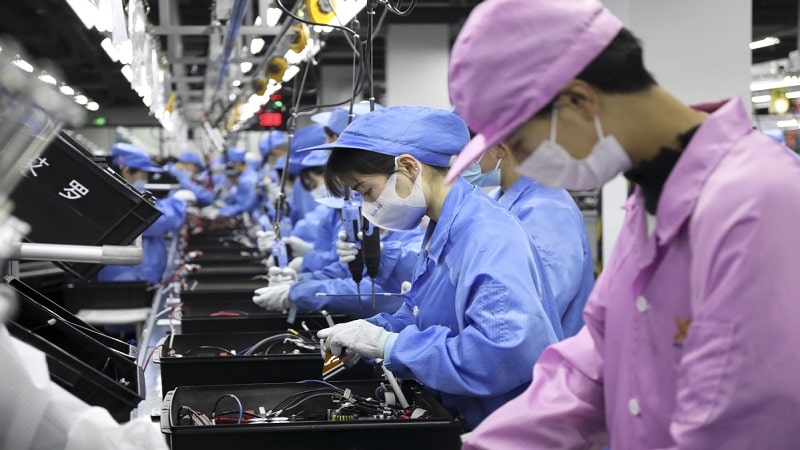
Construction of a factory in Oman ; labor market analysis
Labor market analysis plays a crucial role in the success of establishing a factory in Oman. As a developing nation in the Middle East, Oman has experienced significant economic growth in recent years. The country offers a favorable environment for setting up factories, thanks to supportive government policies aimed at attracting investors and fostering industrial development.
However, a thorough understanding of Oman’s labor market and human resource needs is essential for successful factory establishment. A key condition for setting up a factory in Oman is the availability of skilled and specialized labor. While Oman has a limited domestic workforce, this shortage can be mitigated by attracting skilled workers from abroad. Simultaneously, investing in training and employing local talent can help reduce costs and strengthen community ties.
The Omani labor market is also shaped by government policies that promote entrepreneurship and job creation. Therefore, capitalizing on these opportunities is crucial for setting up a factory in this country. Detailed analysis of the market and human resource requirements is paramount. This analysis is vital for the successful construction of a factory in Oman and its subsequent operation. Careful planning and resource allocation during the construction of a factory in Oman , informed by accurate labor market data, will significantly contribute to its long-term success.

Construction of a factory in Oman ; Benefits of setting up a manufacturing plant
The benefits of setting up a manufacturing plant in Oman include:
- Tax and customs exemptions: Manufacturing companies in Oman enjoy numerous tax exemptions. For example, these companies are exempt from paying income tax for up to five years. This can have a significant impact on reducing costs and increasing profitability.
- Access to a large market: As a member of the Gulf Cooperation Council, Oman provides access to a market with a population of over 50 million. The region is known as a gateway to the markets of the Middle East, Africa and Southeast Asia.
- Cheap and educated labor: Oman has a young and educated labor force that can easily contribute to factory production. A relatively low-cost labor force can provide a competitive advantage for factories.
- Suitable infrastructure: Oman has a strong infrastructure, including ports, airports and roads, which are very useful for transporting goods and facilitating processes and exports.
- Political and Economic Stability: The country enjoys high political and economic stability, which creates a safe environment for investment.
- Easy and fast registration process: For construction of a factory in Oman , the registration process is very simple and fast and is usually completed within a few weeks. This streamlined process makes the construction of a factory in Oman more appealing to foreign investors. The ease of registration significantly reduces the time and bureaucratic hurdles associated with the construction of a factory in Oman .

Documents required for factory construction
To establish a factory in Oman, it is necessary to obtain various permits and documents from the competent authorities. These documents include legal and executive documents that must be prepared to start production activities in this country. One of the first steps is to register a company in Oman, which is considered the first legal step to establish a factory in Oman.
After that, it is necessary to obtain environmental and safety permits to ensure that the factory operates in compliance with standards. The documents required to establish a factory in Oman are as follows:
- Company registration and obtaining a business license
- Workplace safety and health certificate
- Environmental permits
- Factory feasibility and economic plan
- Financial and banking documents (proof of financial capacity)
- Identity and legal documents of the company owners and managers
- Land and building agreements
- Permits related to the employment of foreign labor (if necessary)
To facilitate the process of construction of a factory in Oman and prepare the documents correctly, you can seek help from expert consultants at the Labor Development Immigration Institute. This institution provides detailed advice, simplifies administrative procedures for you, and assists you in preparing documents. This support is invaluable for navigating the complexities of construction of a factory in Oman .

Construction of a factory in Oman; manufacturing plants in this country
Setting up a factory in Oman means setting up production units where raw materials are converted into finished products. To set up a factory in Oman, it is necessary to pay attention to various factors. First, a suitable location with sufficient space and necessary facilities for production must be selected. This location must have a warehouse, equipment and machinery suitable for the production process.
In addition, to start any production activity, it is necessary to obtain the necessary permits from the competent authorities, such as the Ministry of Industry and Commerce. A skilled and specialized workforce is another requirement for the success of a manufacturing plant in Oman. Also, quality equipment and machinery that are appropriate for the production needs must be provided so that the production process can be carried out in the best possible way.
In addition to these, quality raw materials must also be available for the production of products. The production process in the factory must be carried out accurately and in a standardized manner to maintain the quality of the products. For this reason, quality control at all stages of production is of particular importance.
The conditions for setting up a factory in Oman include compliance with environmental, health, safety and legal regulations. Therefore, special attention should be paid to them to ensure long-term success and sustainability of the business. Different types of manufacturing factories such as food, clothing, building materials and handicrafts workshops are widely present in Oman. Each of these Oman factories operates in specific fields. Considering all these aspects is crucial for the successful construction of a factory in Oman . Careful planning and execution are essential for the successful construction of a factory in Oman and its subsequent operation.
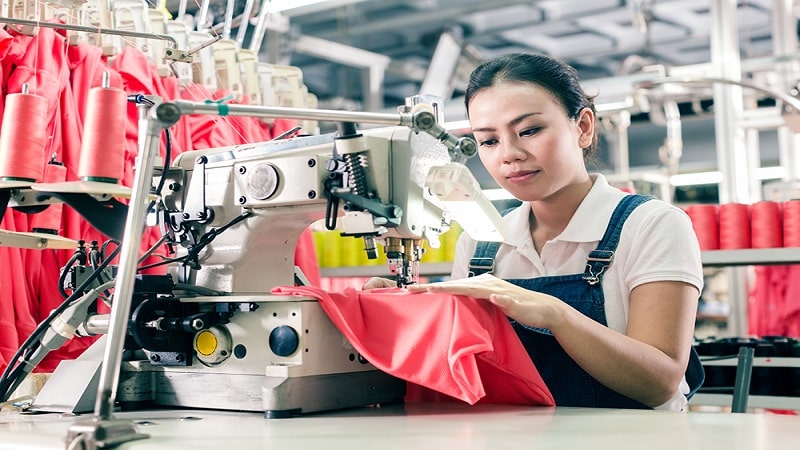
Construction of a factory in Oman ; the role of manufacturing in the country's economic development
Industry and production play a vital role in the economic development of Oman. Given the country’s rich natural resources, various industries, including petrochemicals and mineral products, have become the main axes of economic growth. Construction of a factory in Oman in these sectors has been able to facilitate the export of products to global markets in addition to meeting domestic needs. It has also brought significant foreign exchange to Oman.
One of the most important industries in Oman is the oil and gas industry. The Sohar and Barimi oil fields are among the main sources of production of these vital energies in the country. On the other hand, the petrochemical industry also plays an important role in the country’s economic diversification by producing valuable products such as polyethylene and polypropylene. In addition, construction of a factory in Oman in the steel and aluminum sectors has made the country one of the main producers of metals.
Also, Oman has gained an important position in regional transportation by relying on its strategic ports such as Salalah and Duqm. This helps to develop trade and attract foreign investment. Focusing on advanced industries by construction of a factory in Oman in the field of renewable energy and new technologies has contributed significantly to industrial growth. In general, various industries in Oman have had a significant impact on creating stable and diverse economic conditions

Analysis of the raw material market for factory construction in Oman
Analyzing the raw material market for a factory in Oman is a crucial step in ensuring the success and profitability of the project. This analysis should include a detailed examination of the following:
- Raw material supply sources: Identifying domestic and foreign sources of raw material supply, assessing their quality and sustainability, and examining transportation costs. For the construction of a factory in Oman , it’s essential to understand the availability and reliability of these sources, as disruptions in supply chains could impact production schedules and costs.
- Raw material prices: Analyzing the price trends of raw materials in global and regional markets, predicting future price changes and their impact on production costs. Price fluctuations, particularly in the global market, could significantly affect the profitability of the construction of a factory in Oman . A thorough understanding of these trends will help forecast future expenses and manage risks associated with raw material price volatility.
- Competitors: Examining competitors in the Omani and regional markets, analyzing their dependence on raw materials and their strategies for sourcing materials. By studying the raw material sourcing practices of competitors, you can identify potential advantages or gaps in your supply chain, helping to ensure that the construction of a factory in Oman is competitive in both cost and quality.
- Laws and regulations: Understanding the laws and regulations related to the import and export of raw materials in Oman and their impact on production costs and processes. Compliance with these regulations is crucial to avoid delays and penalties that could increase overall production costs. This will also help ensure that the construction of a factory in Oman aligns with all legal and environmental requirements.
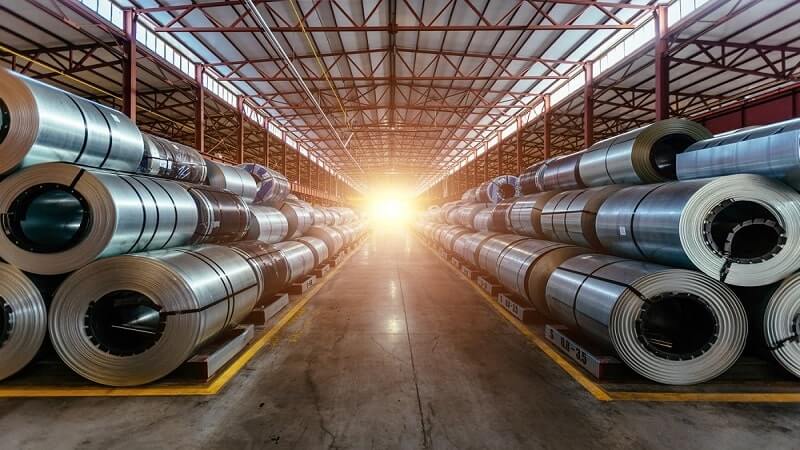
Oman's geographical location and its impact on choosing a factory location
Oman’s geographical location, situated in the southeast of the Arabian Peninsula, plays a crucial role in the choice of factory locations within the country. It shares borders with the United Arab Emirates to the northwest, Saudi Arabia to the west, and Yemen to the southwest.
Oman also has maritime borders with Iran through the Sea of Oman and the Arabian Sea. This strategic position provides easy access to open waters and important international shipping routes, which facilitate the import and export of raw materials. Major ports such as Port Sultan Qaboos and Sohar are key in this regard.
The proximity to major consumer markets in Asia, Africa, and Europe is another significant advantage for the construction of a factory in Oman . This accessibility allows businesses to efficiently reach global markets. Additionally, Oman’s varied climate, with coastal areas being hot and humid, while inland regions are dry and desert-like, impacts the type of industry and factory location. For instance, industries with high water demands may benefit from being located near the coast.
The construction of a factory in Oman is also supported by the country’s economic stability and its developing infrastructure. The Omani government encourages investment in the industrial sector, offering incentives and various facilities, further enhancing Oman’s attractiveness as a destination for factory establishment.